A New Philosophy in Aesthetic Medicine
Korean aesthetic medicine has moved well beyond K-beauty skincare. Today, the clinical frameworks, devices, and treatment philosophies developed in Seoul are actively reshaping how practitioners in the United Kingdom approach skin rejuvenation — and the patients who are driving demand for them.
The Prevention-First Philosophy
The most fundamental difference between Korean and traditional Western aesthetic approaches lies not in the technology, but in the intent. Where many conventional approaches address skin problems after they appear, Korean aesthetic medicine focuses on why those problems occur — emphasizing prevention, hydration, and long-term skin health rather than reactive correction.
Korean dermatology’s signature contribution to global practice is the combination protocol: a single clinical session may integrate neurotoxins, radiofrequency, mesotherapy, laser, and LED therapy — targeting multiple tissue depths simultaneously. This is the clinical expression of a prevention-first mindset.
The practical result for patients is treatments that improve the quality and resilience of the skin over time, rather than simply reducing the visible appearance of aging.
Technology Built Around Regeneration
South Korea has invested heavily in developing devices and injectables that stimulate the body’s own regenerative processes. As of 2026, Korean dermatology continues to evolve toward precision-based, regenerative, and combination treatments — selected not only for visible results but for their ability to improve skin health, collagen structure, and long-term aging prevention.
Key categories include:
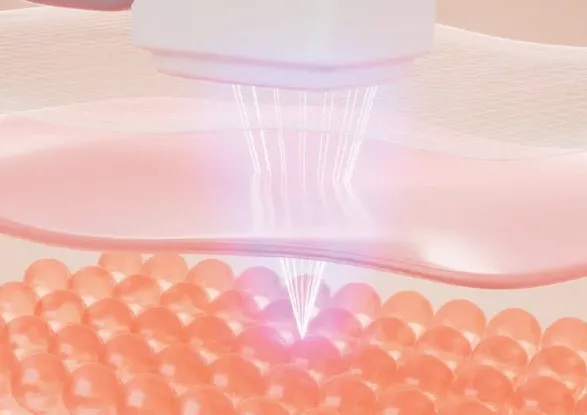
Monopolar radiofrequency — devices such as Oligio deliver controlled thermal energy into the dermis. The Oligio monopolar RF system creates a rapidly alternating electromagnetic field, generating localized heating within collagen-based structures. This triggers immediate collagen contraction, followed by a natural healing process that drives dermal remodeling and new collagen formation over an extended period.
HIFU (High-Intensity Focused Ultrasound) — targets deeper structural layers including the SMAS, delivering lifting effects without surgical intervention.
Skin boosters and regenerative injectables — including PDRN-based and exosome therapies, designed to restore skin quality from within.
Why UK Practitioners are Noticing
Across major markets, patients are increasingly moving away from dramatic cosmetic changes and toward treatments focused on prevention, collagen stimulation, skin quality, and natural-looking outcomes.
As a result, doctors are seeking technologies capable of delivering effective results with minimal downtime and a high safety profile.
Korean clinics are characterized by the widespread utilization of energy-based devices — including HIFU, radiofrequency, and laser systems — employed to address skin laxity through multi-modality treatment protocols. UK practitioners who have attended Korean-led workshops and training programs are bringing this same approach home.
The Korean aesthetic market, valued at approximately $2.79 billion today, is projected to reach $10 billion by 2032 — a figure that reflects both clinical credibility and growing global demand for the Korean approach to skin health
Education as Infrastracture
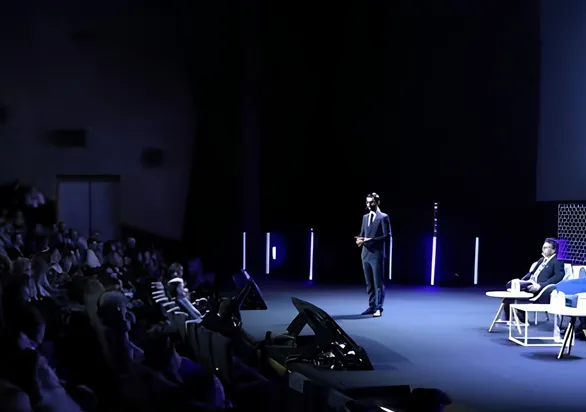
Access to Korean clinical knowledge is no longer limited to those who travel to Seoul. Training programs, international conferences, and platforms like Atelier Seoul are making evidence-based Korean protocols available to UK practitioners directly.
This knowledge transfer extends beyond individual products to include patient assessment frameworks, treatment sequencing, combination therapy design, and long-term planning — the clinical depth that produces consistent results.
What This Means for Patients
Patients benefit most from this shift in two ways. First, they gain access to treatments that address skin quality comprehensively — not just surface appearance. Second, they receive care informed by a truly preventative philosophy, meaning results compound over time rather than requiring increasingly aggressive intervention.
The future of aesthetic medicine is increasingly defined by regeneration, personalization, and prevention. Korean aesthetics did not create this direction — but it is leading it.
Atelier Seoul: Korean Expertise, UK Standards
Atelier Seoul exists to bridge the gap between Korean aesthetic innovation and the UK clinical market. We bring Korean brands, protocols, and education to UK practitioners — with the rigour, training, and support the market now demands.